


 English
 中文简体

One of the most practical questions we hear from customers is, “How long does a reverse osmosis filter last?” As a manufacturer of RO membranes and filter cartridges since 2011, we understand the need for a clear answer. A reverse osmosis system is built around several different filters, and each has its own service life. In general, the prefilter stages last from 6 to 12 months, the post filter should be changed once a year, and the RO membrane itself can last anywhere from 2 to 5 years.
How Long Do the Different Filters in an RO System Last?
Rather than a single filter, most reverse osmosis systems use a sequence of cartridges. The table below summarizes the typical replacement intervals under normal household conditions.
| Filter Stage | Typical Lifespan | Primary Function |
|---|---|---|
| Sediment Prefilter | 6–12 months | Removes sand, rust, and particles |
| Carbon Prefilter | 6–12 months | Removes chlorine and organic compounds |
| RO Membrane | 2–5 years | Rejects dissolved solids and contaminants |
| Post Carbon Filter | 12 months | Polishes taste after storage |
Sediment Prefilter
The first cartridge is usually a melt-blown PP cotton filter. It catches sand, rust, and larger particles before they reach the membrane. In many homes, this reverse osmosis filter lasts around 6 months, but systems with heavy use or higher sediment loads may need a new cartridge every 3 to 4 months.
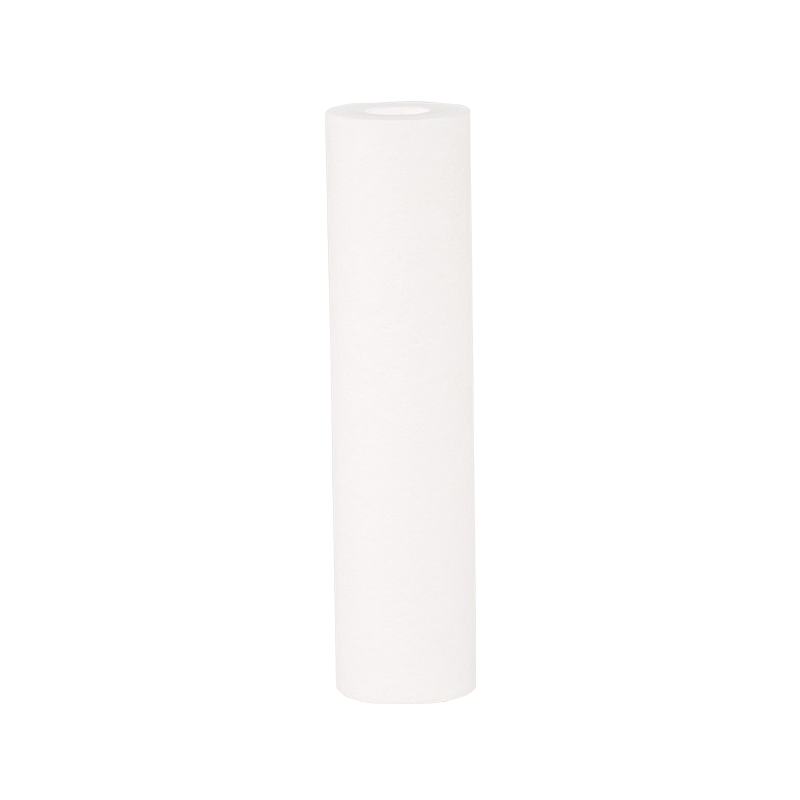 10 Inch PP Cotton Sediment Filter CartridgeThis pre-filter catches sand, rust, and large particles before the RO membrane. Its 3-6 month replacement interval matches the earlier cartridge discussion in the guide.View Product →
Carbon Prefilter
The next stage uses an activated carbon block, either CTO or granular carbon. Its main job is to remove chlorine and larger organic molecules that could damage the RO membrane. Depending on feed water quality and daily water production, the carbon prefilter typically lasts between 6 and 12 months.
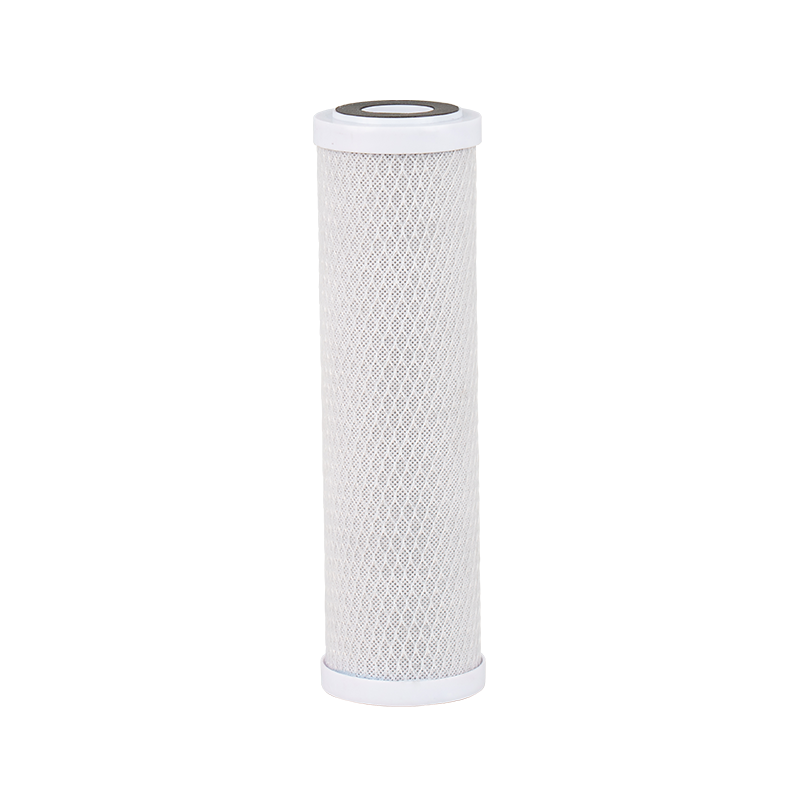 10 Inch CTO Activated Carbon Block CartridgeThis carbon block removes chlorine and organic compounds that could degrade the RO membrane, supporting the 6-12 month lifespan mentioned for carbon prefilters.View Product →
RO Membrane
The RO membrane is the heart of the system. For a standard household thin-film composite membrane, the expected lifespan is 2 to 5 years. If the prefilters are changed on time and the feed water is not excessively hard or high in chlorine, many membranes can reach the upper end of that range.
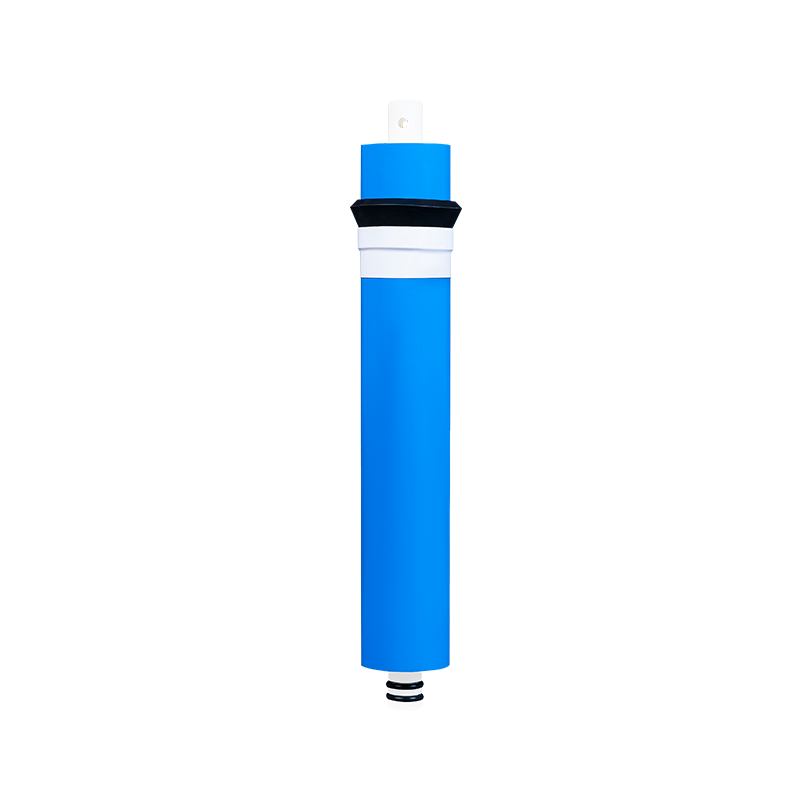 Household RO Membrane Cartridge TW-1812-50As the system's core, this 50 GPD reverse osmosis membrane provides up to 98% desalination and lasts 2-5 years with proper prefilter maintenance.View Product →
Post Carbon Filter
After water leaves the storage tank, a post carbon or mineral cartridge improves the final taste. This stage is usually replaced every 12 months because carbon gradually loses its adsorption capacity, even when the water still tastes acceptable.
What Affects How Long a Reverse Osmosis Filter Lasts
RO filter lifespan is not a fixed number. In our experience, the actual service life depends on several variables that are easy to overlook.
- Feed water quality: High sediment, hardness, iron, or TDS makes every filter work harder.
- Chlorine exposure: Chlorine attacks thin-film composite membranes. The carbon prefilter must be replaced before it becomes exhausted.
- Daily usage: A family using 20 gallons per day will change filters more often than a single-person household.
- Operating pressure and temperature: Higher pressure produces more water but can also speed up fouling; very cold water reduces flux but is gentler on the membrane.
- Maintenance discipline: Regular flushing, sanitizing, and scheduled prefilter changes do more for membrane life than any other factor.
This is why service manuals often ask you to follow a calendar, not just taste. For a broader look at replacement timing, see our guide on how often should a water filter cartridge be replaced.
On the industrial side, large-format elements such as 4040 and 8040 membranes follow the same principle. Their lifespan is often tied to pretreatment performance and cleaning routines. In brackish water or seawater applications, feed water salinity, recovery rate, and the frequency of clean-in-place procedures can shift service life from three years to five years or more.
Signs That Your RO Filters Need to Be Replaced
Even with the best schedule, sometimes a filter fails early. Watch for these common warning signs:
- A noticeable drop in water flow from the faucet.
- TDS reading climbs noticeably above the system’s baseline.
- Salty, bitter, or flat taste in the RO water.
- Visible discoloration or dark deposits on the sediment filter.
- The system runs longer than usual to fill the storage tank.
If you notice any of these, inspect the filters and check the pressure gauges. Sometimes the membrane is still healthy but a clogged prefilter is forcing the whole system to work harder. A simple TDS meter can help you decide whether the issue is in the prefilters or in the membrane itself.
How to Extend the Life of Your RO Filters
With proper care, the RO membrane can often reach the upper end of its expected lifespan. Here are practical steps we recommend to our customers:
- Replace sediment and carbon prefilters on time to protect the membrane.
- Monitor TDS once a month and record the reading for comparison.
- Flush the membrane according to the manufacturer’s instructions, especially after long periods of inactivity.
- Sanitize the system annually to prevent bacterial growth.
- Choose replacement cartridges with the correct micron rating, connection type, and dimensions for your system.
Forgetting to change a prefilter does not only reduce water quality; it can damage the RO membrane. A clogged carbon prefilter lets chlorine pass through, and chlorine can degrade a TFC membrane within weeks. That is why most manufacturers emphasize the whole system’s maintenance rather than only the membrane.
Frequently Asked Questions About RO Filter Lifespan
Can I clean an RO membrane instead of replacing it?
Cleaning can restore some performance for membranes with reversible fouling, especially in commercial systems. For household membranes, replacement is usually more practical after normal lifespan is reached. Industrial membranes can sometimes be cleaned with a low-pH or high-pH solution depending on the foulant type.
Does using the system less often make filters last longer?
Not necessarily. Periods of stagnation can encourage bacterial growth and create an unpleasant taste. Light household use may reduce loading, but the membrane still needs protection from chlorine and regular flushing during idle periods.
Can a reverse osmosis system last more than five years?
Yes. The system itself can last much longer when filters are replaced and the membrane is maintained. In many cases, the quality of the filters and the consistency of maintenance matter more than the age of the system.
Choosing the Right Replacement Filters
From our factory in Yuyao, we supply replacement cartridges and membranes in standard 10-inch, 11-inch inline, quick-connect, and industrial formats. When selecting a new filter, check the length, port size, and whether the system uses a traditional housing or an inline design. For industrial RO systems, pay attention to the feed water application and the membrane’s rejection rate. You can browse our RO membrane lineup for more details.
If you are unsure about the correct part, contact us and we will help you confirm the right fit. Properly maintained, a reverse osmosis system can deliver dependable water for years—the key is replacing each filter at the right time.

