


 English
 中文简体
中文简体
When you press the dispenser on your refrigerator door, water passes through a small cartridge tucked inside the fridge—often near the grille or inside the fresh food compartment. That cartridge is what makes your water taste clean and chlorine-free. But how does it actually do that?
Refrigerator water filters work by combining mechanical filtration (trapping particles) with chemical adsorption (binding dissolved contaminants). The primary filtration medium is activated carbon, which adsorbs chlorine, some volatile organic compounds (VOCs), and certain tastes and odors. A second stage often uses a sediment filter—typically a melt-blown polypropylene (PP) layer—to catch rust, sand, and other visible debris. The result is water that looks clear and smells fresh, but that does not mean it is free of all impurities.
The Two‑Stage Process: Sediment First, Then Carbon
Most refrigerator filters employ a two‑stage design. Water first encounters a sediment pre‑filter, then flows through a block of powdered or granular activated carbon.
1. Sediment Filtration
The first stage removes larger particles—dirt, silt, rust flakes—that would otherwise clog the carbon block or foul the fridge’s internal tubing. A common standard is the 5‑micron rating: particles larger than 5 micrometres (about 0.005 mm) are physically blocked. This is similar in principle to a 10‑inch PP cotton sediment filter used in undersink systems, though fridge cartridges are often smaller and shaped differently.
2. Activated Carbon Adsorption
After sediment is removed, water passes through a bed of activated carbon. The carbon is processed to create a vast internal surface area (hundreds of square metres per gram) where chlorine, chloramine, and certain organic chemicals adhere by a chemical bonding process called adsorption. This is why the water from a newly installed fridge filter often tastes noticeably less “chemical.”
Some high‑end fridge filters also incorporate an ion‑exchange resin to reduce heavy metals like lead or copper, but this is less common. The core function remains chlorine and taste reduction.
What Refrigerator Filters Do Not Remove
It is important to set realistic expectations. Standard refrigerator water filters are not designed to remove:
- Dissolved minerals (calcium, magnesium, sodium)—they do not soften water.
- Total dissolved solids (TDS)—measurement of mineral content remains unchanged.
- Bacteria, viruses, or cysts (unless the filter is specifically rated for microbiological reduction, which most fridge filters are not).
- Nitrates, arsenic, or fluoride unless the manufacturer explicitly states it.
- Pharmaceutical residues or microplastics beyond what the carbon can adsorb.
If your water source has high TDS or specific contaminants like lead, a refrigerator filter alone may not be sufficient. In that case, a reverse osmosis (RO) system installed under the sink provides a much broader removal spectrum.
Comparing Filtration Capabilities
The table below summarizes what different filtration stages can and cannot address. This helps explain why a fridge filter is a good first step but not a comprehensive solution.
| Contaminant / Concern | 5‑µm Sediment Filter (PP) | Activated Carbon Block | Reverse Osmosis Membrane |
|---|---|---|---|
| Chlorine taste / odor | No | Yes (high reduction) | Yes (very high) |
| Sediment, rust, sand | Yes | Partial | Yes (pre‑filter needed) |
| Lead, heavy metals | No | Some (if specially treated) | Yes (≥95%) |
| Bacteria / viruses | No | No (unless UV or NSF 53) | Yes (with proper membrane) |
| Total dissolved solids | No | No | Yes (85–99% reduction) |
| Fluoride | No | No (requires specialized media) | Yes (typically 85–95%) |
How Filter Media Are Structured in a Fridge Cartridge
Inside a typical refrigerator filter cartridge, the sediment layer is often a wrap of PP melt‑blown fabric around a carbon core. Some designs use a granular activated carbon (GAC) bed inside a plastic housing, while others use a solid carbon block that also acts as the sediment barrier. The key difference from an undersink filter is the compact form factor—fridge cartridges must fit within the narrow compartment of a refrigerator, which limits the amount of media they can contain.
This smaller media volume directly affects the filter’s lifespan and contaminant‑holding capacity. Most manufacturers recommend replacing the filter every six months, even if the water still tastes fine, because the carbon becomes saturated and can no longer adsorb chlorine effectively. Once saturated, the media may also become a breeding ground for bacteria if not replaced.
When a Fridge Filter Isn’t Enough: Moving to RO
If you live in an area with hard water, high TDS, or known heavy‑metal concerns, a refrigerator filter cannot fix the root issue. Homeowners often install a point‑of‑use reverse osmosis system under the kitchen sink, which feeds purified water to a dedicated faucet and sometimes to the refrigerator’s ice maker and dispenser.
An RO system includes multiple stages: sediment pre‑filtration, activated carbon pre‑filter, the RO membrane itself, and often a post‑carbon or mineralization cartridge. This combination removes 90–99% of total dissolved solids, including lead, arsenic, nitrates, fluoride, and most organic compounds. It also produces water that is much more consistent in quality than a standalone fridge filter.
For installers and system designers, understanding the flow path is critical. A typical RO system uses a solenoid valve to control water inlet, a pressure switch to monitor tank pressure, and a check valve to prevent backflow. These components are the same types used in professional water purification equipment: for example, a combination solenoid valve can integrate inlet and flush control into one unit, saving space in compact under‑sink layouts.
Key Takeaways for Buyers and Installers
- Fridge filters are primarily activated carbon devices. They excel at chlorine removal and basic sediment holding, but do not reduce TDS or most inorganic contaminants.
- Replace on schedule—every 6 months for most models. An overdue filter can harbor bacteria and reduce flow.
- Consider certification. Look for NSF/ANSI Standard 42 (aesthetic effects) and, if needed, Standard 53 (health‑related contaminants like lead or cyst reduction).
- For comprehensive protection, pair a fridge filter with an undersink RO system or a whole‑house filter. The fridge line can be connected to the RO storage tank using a bypass plug or a separate faucet.
When selecting replacement cartridges, pay attention to the micron rating and the carbon type (granular vs. block). A 5‑micron sediment pre‑filter combined with a dense carbon block offers the best balance of flow and removal for a refrigerator application.
Related Reading
To dive deeper into the working principle of sediment filter cartridges, see our guide on sediment water filter cartridge usage. For a complete overview of how RO membranes achieve high‑purity water, visit our article on everything you need to know about the 1812 RO membrane.
If you are sourcing components for your own system, consider the following validated parts:
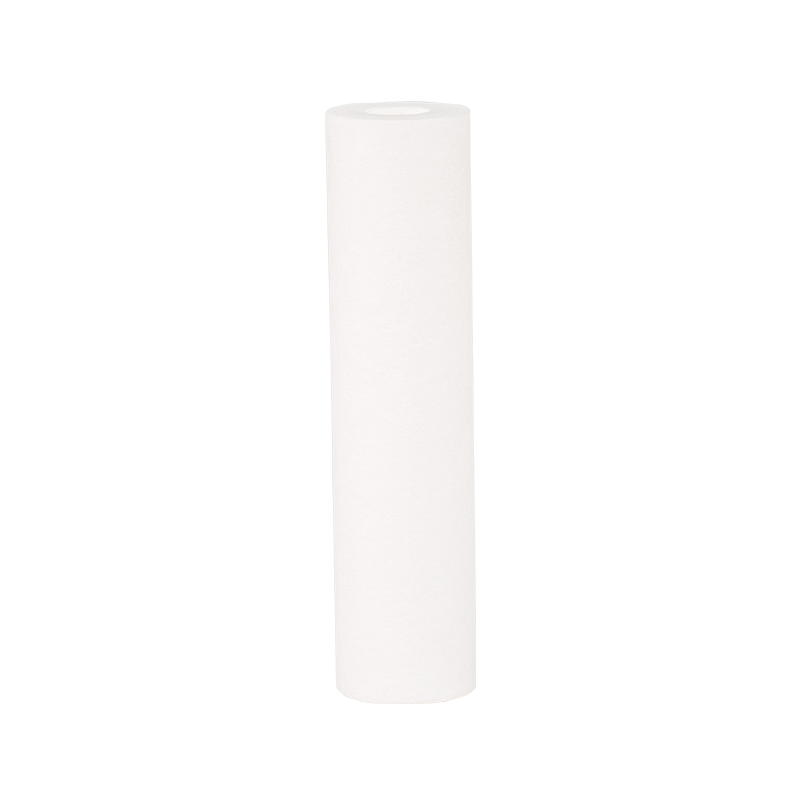 10-Inch PP Cotton Inline Water Filter CartridgeA quick-insert sediment filter for pre-filtration stages, this PP cotton cartridge captures particulate matter to protect downstream components in your water system.View Product →
 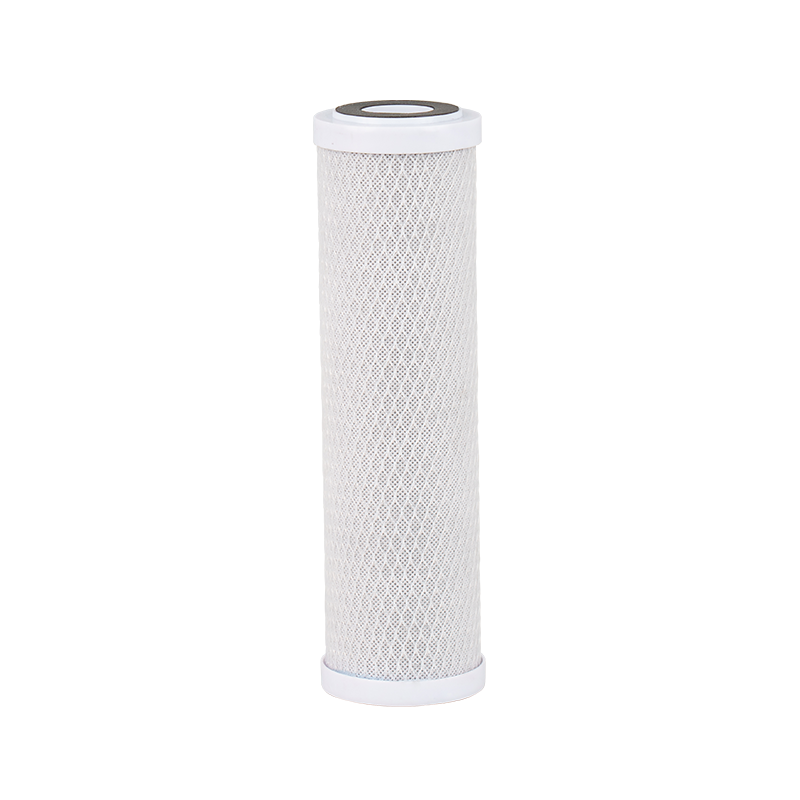 10-Inch CTO Pre-Block Carbon Filter CartridgeThis CTO cartridge reduces chlorine, taste, and odor through activated carbon pre-block, making it a validated choice for improving water quality before reverse osmosis.View Product →
 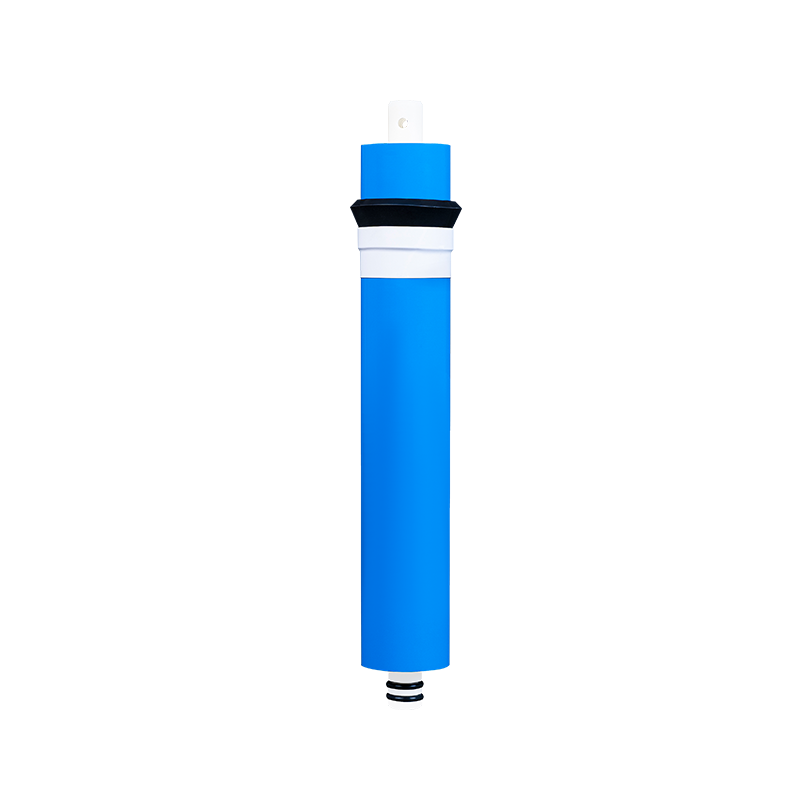 Household Membrane Water Filter Cartridge (RO)A core reverse osmosis membrane unit for residential systems, designed to remove dissolved solids and contaminants, proven effective against emerging pollutants.View Product →
