


 English
 中文简体
中文简体
Reverse osmosis water filtration systems have become one of the most trusted ways to produce clean drinking water in homes, offices, and industrial plants. Yet the technology inside an under-sink RO unit is often taken for granted. This guide explains exactly how reverse osmosis works, the components that make it possible, and what happens during each stage of filtration.
What Is Reverse Osmosis?
Reverse osmosis (RO) is a water purification process that uses a semi-permeable membrane to remove dissolved minerals, salts, heavy metals, and many other contaminants. To understand the technology, it helps to begin with ordinary osmosis.
In nature, osmosis occurs when a semi-permeable membrane separates two solutions with different solute concentrations. Water moves naturally from the less concentrated side to the more concentrated side, gradually balancing the two. The force driving this movement is known as osmotic pressure.
Reverse osmosis reverses that flow. The feed water is pressed against the membrane at a pressure greater than the natural osmotic pressure, forcing water molecules through the membrane in the opposite direction. Dissolved solids cannot follow because the membrane pores are extremely small. The result is a stream of purified permeate on one side and a concentrated reject stream on the other. If you would like a deeper look at the membrane material and its structure, our article on how an RO membrane works covers the topic in more detail.
Key Components of an RO Water Filtration System
A typical household RO system is a multi-stage assembly rather than a single filter. Every part has a clear responsibility, from protecting the membrane to improving the final taste.
| Component | Role in the System |
|---|---|
| Sediment pre-filter | Removes sand, rust, and suspended solids |
| Carbon pre-filter | Reduces chlorine, chloramine, taste, and odor |
| RO membrane | Rejects dissolved salts, metals, and microorganisms |
| Flow restrictor | Maintains membrane pressure and controls drain flow |
| Check valve | Prevents backflow into the membrane |
| Storage tank | Stores purified water under pressure |
| Post-carbon filter | Polishes taste before dispensing |
| Automatic shut-off valve | Stops production when the tank is full |
The RO membrane is the heart of this system. Household membranes, commonly rated at 50, 75, or 100 gallons per day, are usually thin-film composite elements wrapped in a spiral configuration. They offer a good balance of flow and rejection for residential use.
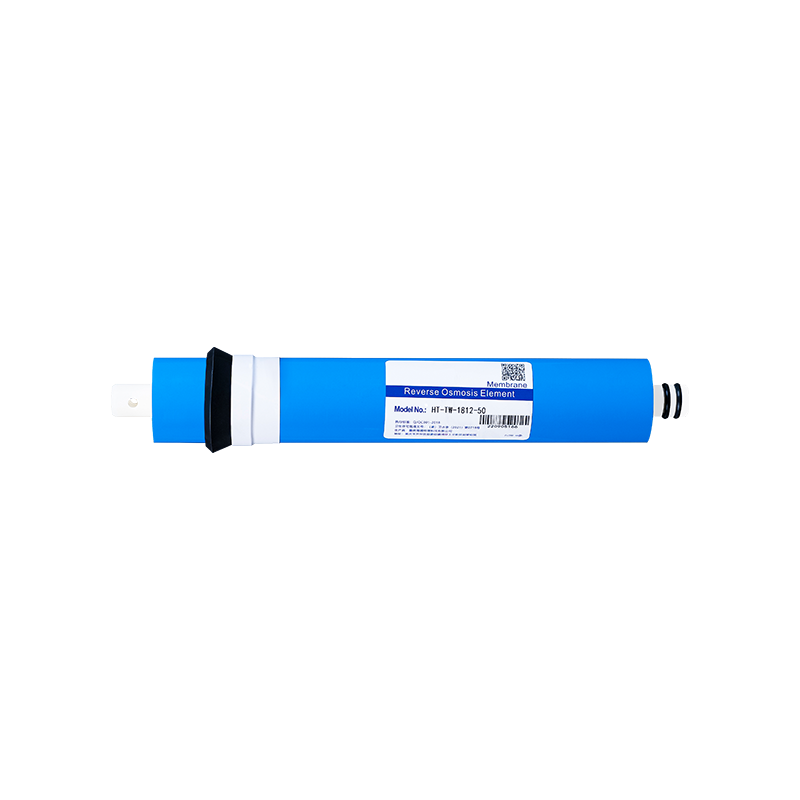 Residential RO Membrane Element for Under-Sink SystemsThis thin-film composite membrane is rated for household flow and rejection, making it the core component that determines water purity. Review it to understand membrane selection before troubleshooting or replacing parts.View Product →
How the RO Filtration Process Works, Step by Step
Most under-sink and countertop RO systems follow the same six-stage process. Knowing each step helps with troubleshooting, maintenance, and choosing compatible replacement components.
Step 1: Sediment Pre-filtration
Raw water first passes through a sediment cartridge, usually a melt-blown polypropylene filter. This stage captures sand, rust, dirt, and other particles that could scratch the membrane or block its surface. A common choice for under-sink systems is a 10-inch PP cotton filter, which is available in quick-insert, threaded, or inline formats.
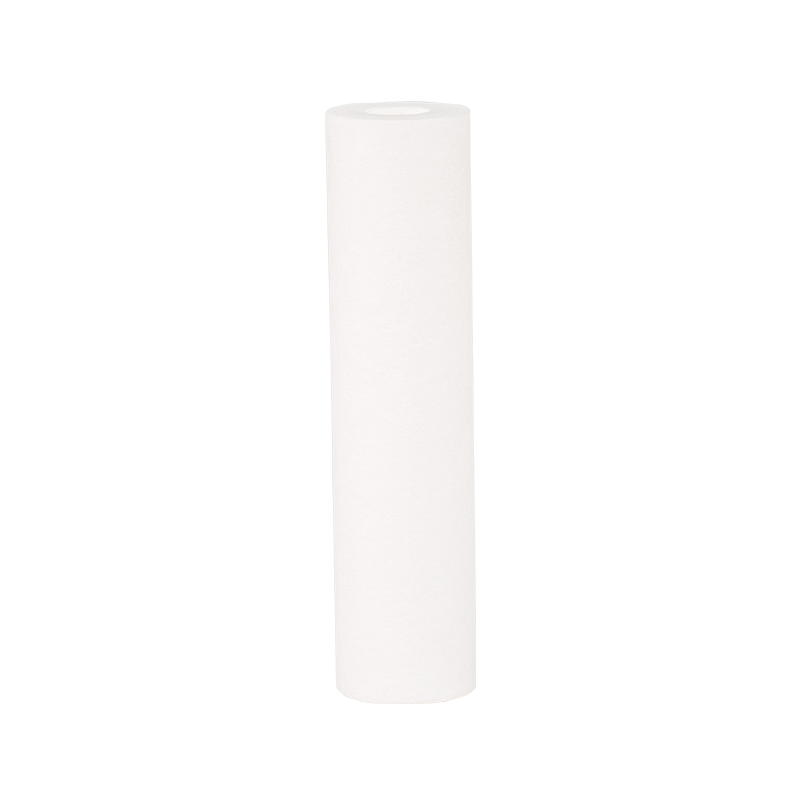 Melt-Blown Polypropylene Sediment Filter CartridgeAs the first stage in RO systems, this 10-inch PP cotton filter effectively captures sand, rust, and particles that could damage the membrane. Check it for understanding pre-treatment and choosing compatible replacement cartridges.View Product →
Step 2: Activated Carbon Pre-filtration
The next stage is activated carbon, often a granular activated carbon cartridge (UDF) or a carbon block cartridge (CTO). Municipal water is normally disinfected with chlorine or chloramine, and both can damage a thin-film composite membrane over time. Activated carbon adsorbs these chemicals and also reduces volatile organic compounds, tastes, and odors before the water reaches the membrane.
Step 3: Reverse Osmosis Membrane Separation
The pretreated water is then directed into the RO membrane housing under pressure. The membrane permits only water molecules to pass through its matrix, while rejecting dissolved salts, heavy metals, fluoride, nitrates, bacteria, and viruses. The purified stream is called permeate, and the concentrated brine leaves the housing toward the drain.
Step 4: Wastewater Control and Drainage
A flow restrictor on the drain line determines how much reject water exits the system. This component is critical: too little drain flow causes contaminants to concentrate and foul the membrane, while too much drain flow wastes water. Typical residential systems produce a ratio of roughly one part clean water to two or three parts drain water, depending on pressure and temperature.
Step 5: Storage in a Pressurized Tank
Because the membrane produces water slowly, most household systems collect the permeate in a pressurized storage tank until the faucet is opened. The tank is pre-charged with air on one side of a diaphragm, and water fills the other side as it is produced.
Step 6: Post-filtration
Before water reaches the faucet, it passes through a final post-carbon filter, often a T33 cartridge or an inline filter. This stage polishes the taste and removes any lingering odor that may have developed in the storage tank. Some systems add an alkaline or mineralized cartridge at this point to restore certain minerals or adjust the pH of the water.
What Contaminants Does Reverse Osmosis Remove?
An RO membrane is one of the most effective barriers available for a wide range of drinking water contaminants. With proper pre-filtration and a healthy membrane, an RO system can reduce or remove:
- Dissolved salts and total dissolved solids (TDS)
- Heavy metals such as lead, arsenic, and chromium
- Fluoride and nitrate
- Chlorine, chloramine, and volatile organic compounds
- Bacteria, viruses, and protozoan cysts
- Pesticides and many pharmaceutical residues
No treatment process removes everything, and RO is no exception. Dissolved gases such as carbon dioxide can pass through the membrane, and some very small organic molecules are better adsorbed by carbon. That is why almost every RO system pairs membrane separation with carbon filtration rather than relying on one technology alone.
Maintenance and Replacement Schedule
An RO system continues to perform well only when its consumable parts are changed on time. The pre-filters bear the heaviest load because they protect the membrane, and delaying their replacement is the most common cause of poor performance.
| Part | Typical Interval |
|---|---|
| Sediment pre-filter | Every 6 to 12 months |
| Carbon pre-filter | Every 6 to 12 months |
| Post-carbon filter | Every 12 months |
| RO membrane | Every 2 to 3 years |
Many modern systems add an automatic membrane flush function. After each shut-off cycle, a solenoid valve opens for a few seconds to rinse the membrane surface, reducing fouling and extending membrane life. If you are servicing an RO system or building a new one, a reliable flushing valve can make a noticeable difference over the lifetime of the membrane.
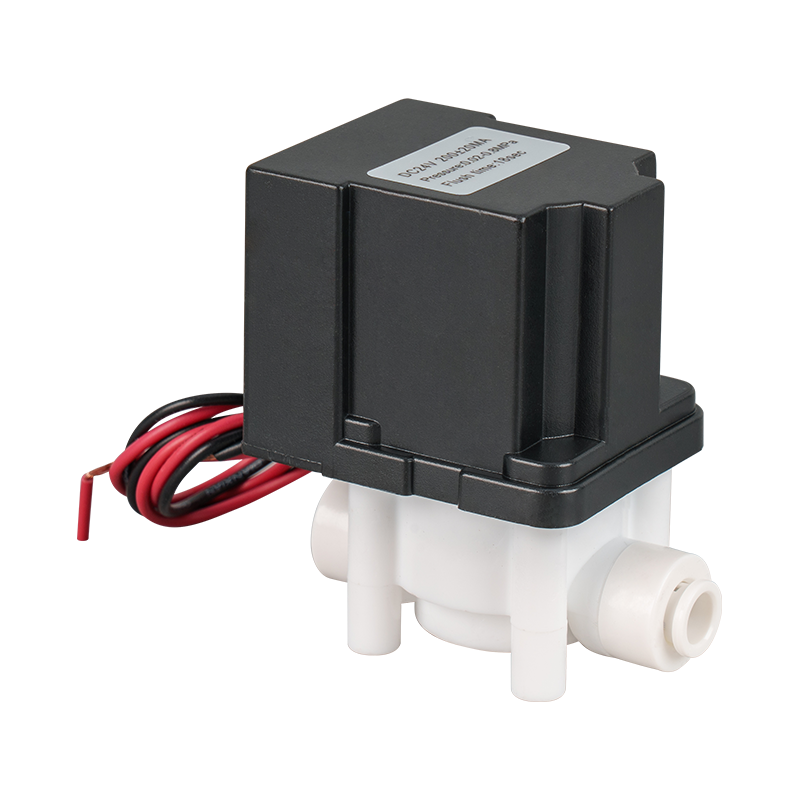 Automatic Membrane Flush Solenoid Valve for RO SystemsThis valve initiates a short rinse after each cycle, reducing membrane fouling and extending lifespan. Useful for servicing or building RO systems, it's a key part in maintaining performance over time.View Product →
Choosing the Right RO Configuration
Selecting an RO system begins with the feed water quality, daily usage, and available water pressure. Systems supplied with water below 40 psi usually need a booster pump to reach the pressure that the membrane requires for an acceptable production rate. If sediment or hardness is high, additional pretreatment before the RO unit will protect the membrane and reduce maintenance. For industrial applications, larger 4040 or 8040 membrane elements are selected based on designed flow, recovery rate, and rejection goals.
Whether you are assembling a complete system, replacing worn components, or looking for a new supply source for membranes, valves, or cartridges, contact our team with your project details and we will be glad to help.
Reverse osmosis water filtration is a reliable and flexible technology for producing high-quality drinking water. Once you understand the basic principles, the individual components, and the maintenance requirements, it becomes much easier to choose the right system and keep it running efficiently for years.

