


 English
 中文简体
中文简体
Distilled water sits near the top of the purity scale, which is why steam irons, humidifiers, CPAP machines, aquariums and laboratory glassware all ask for it by name. The good news: you can distil water at home with a stockpot, a heatproof bowl and a little patience.
We are a water purification component manufacturer based in Yuyao, China. Since 2011 we have designed and built filter cartridges, RO membranes, solenoid valves and micro pumps for customers in dozens of countries, and distillation comes up often in conversations with our clients. Below are the home methods that genuinely work, the safety details that matter, and an honest comparison with the filtration technologies we manufacture every day.
How Distillation Purifies Water
Distillation shrinks the natural water cycle down to kitchen scale. Heat water until it boils and it turns to steam, leaving nearly everything else behind: dissolved salts, hardness minerals, heavy metals like lead and microorganisms are too heavy or too stable to vaporise. The steam rises, touches a cooler surface, condenses and drips into a clean container as remarkably pure water.
One nuance is worth knowing first. Some volatile compounds, including certain chlorine by-products, evaporate at temperatures close to the boiling point of water and can ride along with the steam. That is why commercial distillers pair their boiling chamber with a small activated carbon post-filter, and why several tips below focus on collecting the cleanest possible distillate.
How to Distil Water on the Stovetop, Step by Step
You need nothing more than ordinary kitchen equipment:
- A large stockpot with a domed lid
- A heat-resistant glass bowl that floats, or a short collection cup
- A metal rack or trivet, if your bowl will not float
- Ice cubes or a cold pack for the lid
- Clean glass bottles with tight lids for storage
With everything ready, work through these steps:
- Pour tap water into the pot until it is about half full, so impurity-heavy bubbles cannot splash into the collection bowl.
- Set the glass bowl in the centre so it floats above the water line, or rest it on the trivet; the rim must stay above the water at all times.
- Put the lid on upside down, doming inward with the handle pointing to the centre, so condensing steam runs down the curve and drips into the bowl.
- Bring the water to a gentle boil, then reduce it to a steady simmer. Pile ice on the inverted lid to speed condensation.
- Simmer for 30 to 45 minutes, checking occasionally that the bowl is filling and the pot is not boiling dry.
- Switch off the heat and let everything cool before lifting the bowl out; it will still be very hot.
- Pour the distilled water into clean glass bottles, seal and refrigerate.
A batch takes about an hour and yields roughly a litre. It is slow, but for occasional needs like topping up a steam iron, it costs almost nothing.
Two Easier Options for Regular Use
Countertop electric distillers
If you need distilled water several times a week, an electric countertop distiller takes over the work. Fill the boiling chamber, press start and return four to six hours later to a full carafe. The trade-off is energy: a typical unit draws roughly three kilowatt-hours per gallon. Most models add an automatic shutoff and a small carbon filter in the spout to polish off volatile carry-over.
Solar stills for off-grid situations
The same physics works without electricity. Place a cup in the middle of a wide bowl of water, cover it with plastic wrap, set a small pebble in the centre of the wrap above the cup and leave it in sunlight. Condensed vapour drips into the cup. Yields are modest, but a solar still demonstrates the principle behind every distiller ever built.
Safety and Storage Tips
Distillation is simple, but a few habits separate clean results from mediocre ones:
- Discard the first 30 to 60 millilitres of distillate, the fraction most likely to carry volatile impurities.
- Collect and store in glass rather than plastic, since hot water can draw flavours out of some plastics.
- Never let the pot boil dry. Whatever distillation removes stays behind as concentrated residue, and you do not want that baked onto the metal.
- Wash the pot after every batch; mineral scale builds up quickly.
- Ventilate the kitchen and turn pot handles inward, because live steam causes the most common injuries in home distilling.
- Seal containers tightly and drink homemade distilled water within a few days, as it carries no residual protection against recontamination.
What Distillation Removes, and What It Does Not
On paper, distillation is impressively thorough: it strips out dissolved salts and hardness minerals, heavy metals, nitrates and virtually all microorganisms, including bacteria, viruses and protozoa. Two limitations shape real-world use, though. Volatile carry-over means some chemical tastes and odours survive unless carbon filtration is added afterwards, and because beneficial minerals are removed along with the harmful ones, the finished water can taste flat; many people pass it through a small remineralisation cartridge to restore a more natural flavour.
There is also the practical cost: boiling water for hours is energy-intensive, and output is measured in litres per day rather than litres per minute. That is why distillation shines for small batches and special uses, while households wanting pure drinking water all day usually turn to membrane filtration.
Distilled Water vs Filtered and Reverse Osmosis Water
Seeing the three common approaches side by side makes the trade-offs clear:
| Factor | Distillation | Carbon filtration | Reverse osmosis |
|---|---|---|---|
| Main process | Boil, evaporate and condense | Adsorb impurities on carbon media | Push water through a semi-permeable membrane |
| Dissolved solids and metals | Removed | Mostly not removed | Removed |
| Bacteria and viruses | Removed | Not reliably removed | Removed |
| Speed | Hours per batch | Instant at the tap | On demand |
| Energy use | High, continuous heat | None | Low, pump-driven |
| Typical role | Small batches and appliances | Polishing taste and chlorine | Everyday drinking water |
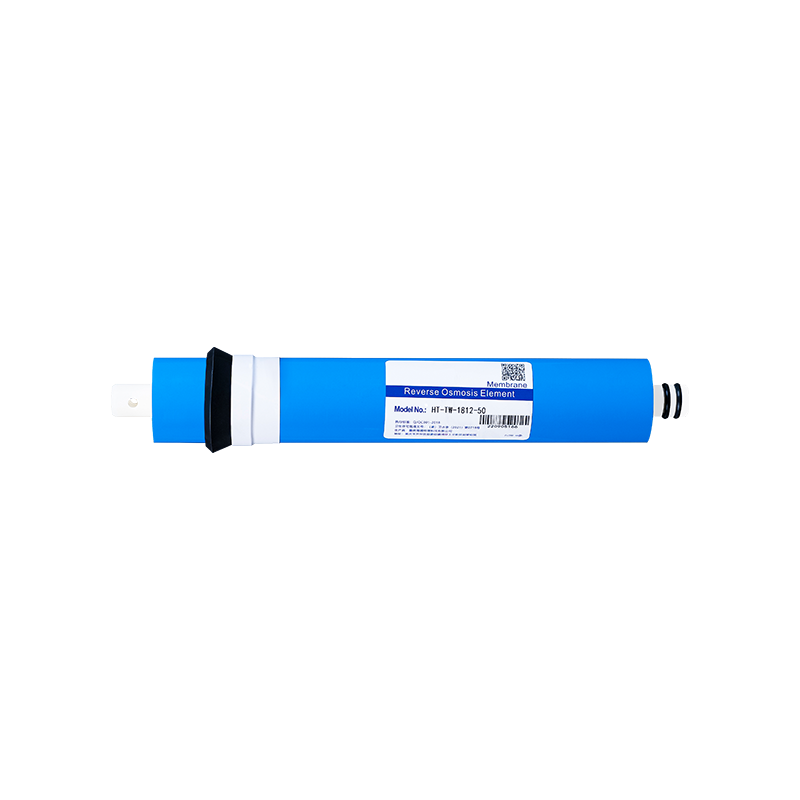 Household Reverse Osmosis Membrane ElementAs the article explains, RO membranes separate dissolved solids the moment you open the tap at far lower energy cost than distillation, making this household element a practical choice for everyday drinking water.View Product →
For everyday drinking, reverse osmosis usually wins on convenience. It follows the same separation logic as distillation, leaving dissolved solids behind, but delivers the result the moment you open the tap at a fraction of the energy cost. We manufacture household membrane elements for exactly this purpose, and if you would like the technical background, our guide explains what a reverse osmosis membrane is and how it works in plain language.
What Makes a Purification System Reliable
Whether water is distilled, filtered or pushed through a membrane, our years in component manufacturing keep pointing to one lesson: a system is only as dependable as the parts handling the water. In a well-built RO setup, a sediment cartridge stands guard first, shielding everything downstream from sand, rust and grit that would otherwise foul the membrane.
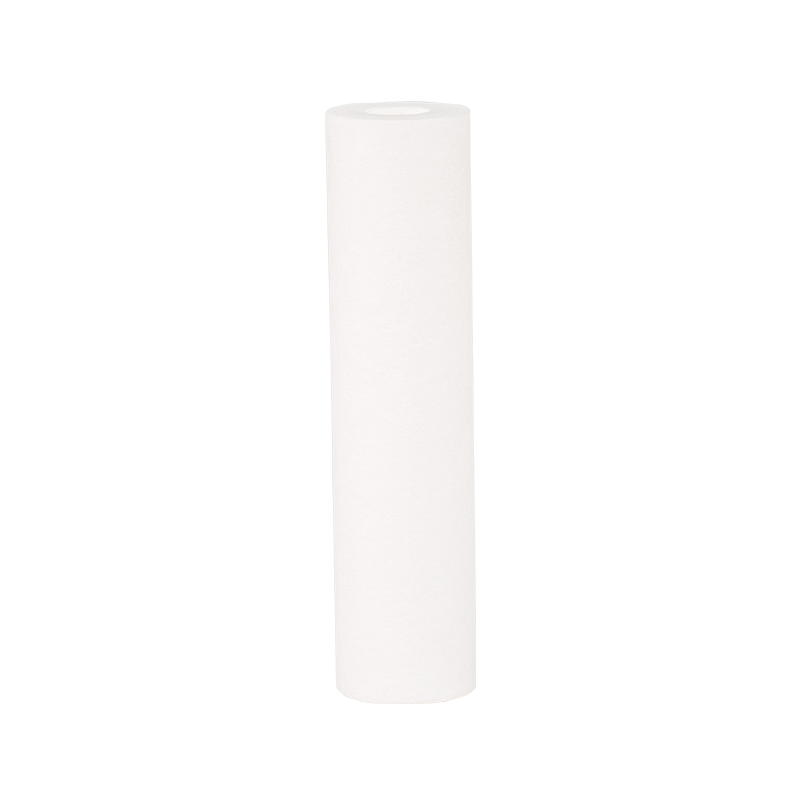 10 Inch PP Cotton Sediment Filter CartridgeA sediment cartridge stands guard first in an RO system, shielding the membrane and downstream carbon stages, valves and switches from sand, rust and grit, which keeps the whole purifier dependable.View Product →
Behind it, carbon stages handle chlorine, the membrane performs the fine separation and a post-carbon or mineral cartridge restores taste. Around the water path, inlet and flush solenoid valves, a micro pump, high- and low-pressure switches and a pressure gauge keep flow stable and warn you before something goes wrong. It is unglamorous engineering, but it is what separates a purifier that runs quietly for years from one that demands constant attention.
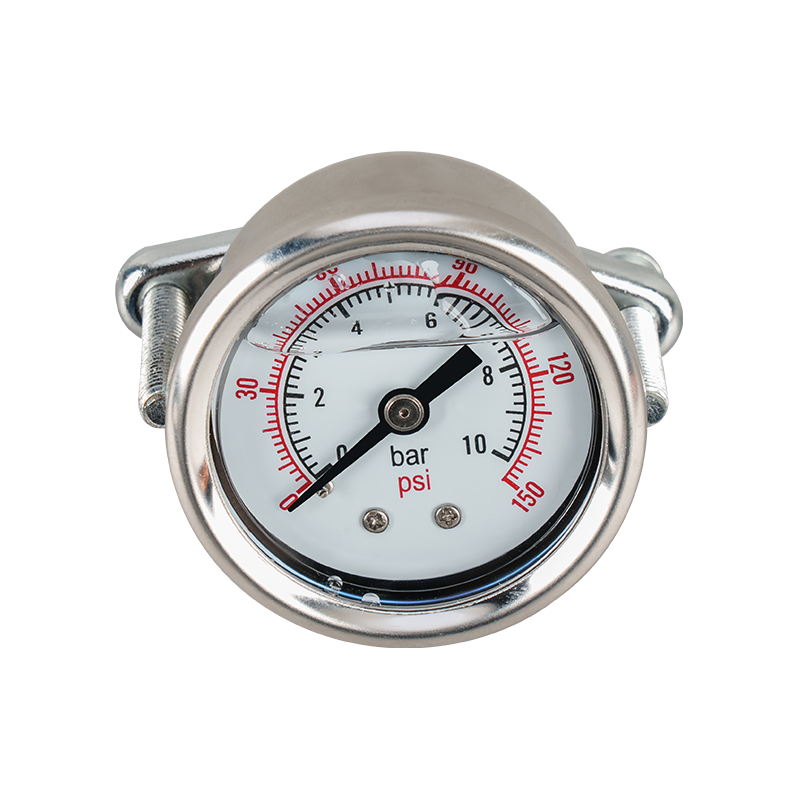 PG1.5 Stainless Steel Water Filter Pressure GaugePressure gauges sit around the water path alongside switches and solenoid valves, keeping flow stable and warning of trouble early — key to an RO purifier that runs quietly for years.View Product →
Learning how to distil water is a genuinely useful skill: a stockpot and an hour will produce a clean litre for an iron, a humidifier or a science project. For pure drinking water every day, though, a properly built RO system matches that purity while skipping the energy bill and the waiting. Whichever route you take, quality components decide how well it performs. If you are sourcing cartridges, membranes, valves, pumps or accessories for a product line or a home installation, tell us about your project and our team will be glad to help.

